


 Should You Tour That Northern Colorado Home Before Deciding?
Is a showing worth it before you make up your mind?
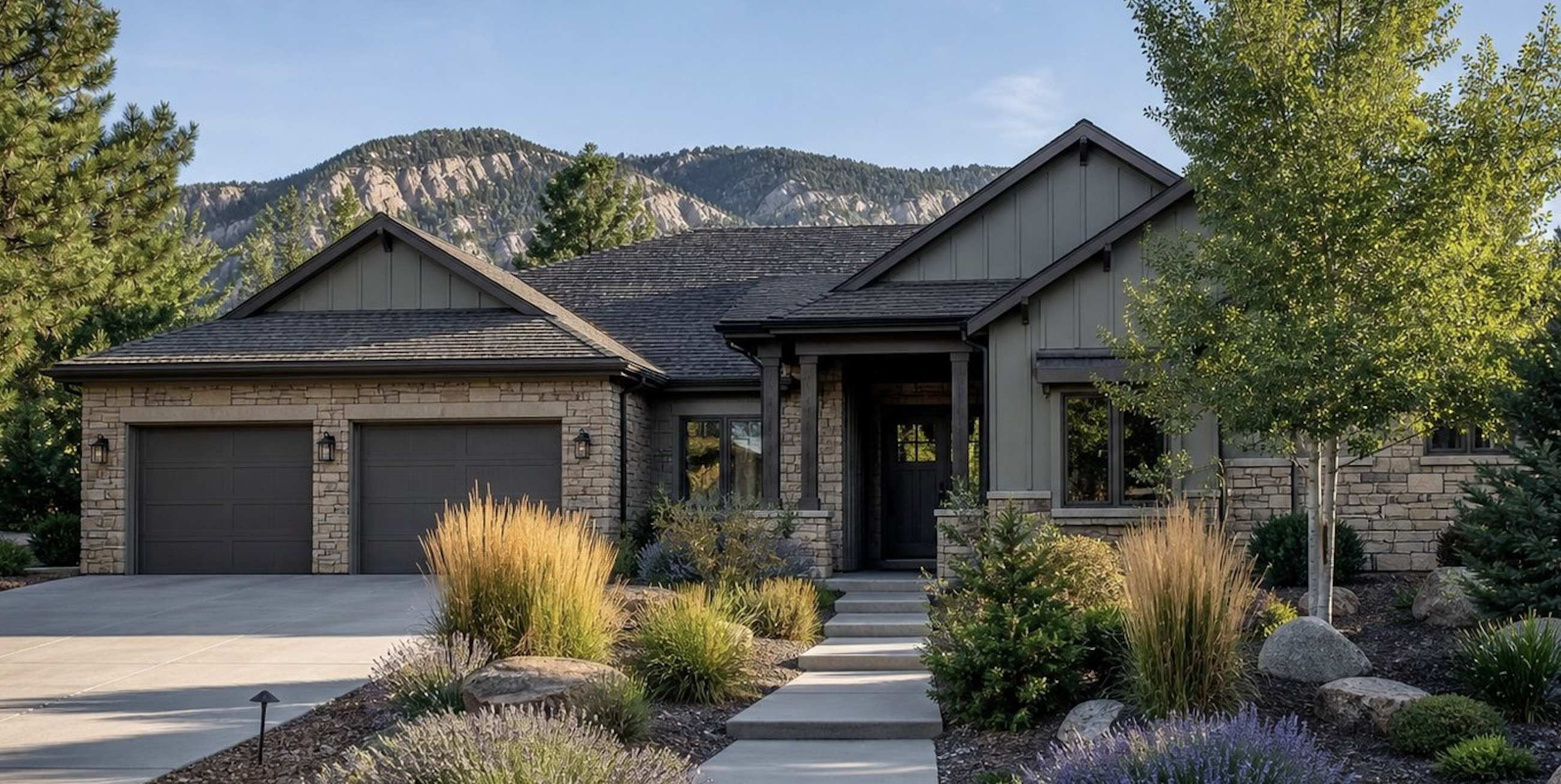
Yes. If a listing interests you, tour it before you form a strong opinion. A showing tests the layout, condition, and location against what the photos and description suggest. Photos show a home from its best angles. Walking through it shows you the room sizes, the light, the noise, and the street.
When a client asks me whether a showing is worth the time, my answer is short: if a home interests you, let’s go take a look. You learn more in one visit than in a dozen scrolls through the listing. The real question isn’t whether the photos look good. It’s whether the space, condition, and location hold up in person. The visit either strengthens your interest or saves you from chasing a home that only works on a screen.
| • | There’s generally time to look. Colorado homes spent a median of 53 days on the market statewide in September 2026, compared with 54 days a year earlier. Individual homes can still move faster. |
| • | More homes to compare. Statewide active listings reached 34,082 in September 2026, up from 31,047 a year earlier. |
| • | Property types are moving differently. In Fort Collins in August 2026, single-family listings were down 11.8% year over year while attached-home new listings were up 22.4%. Touring is how you find out which type fits your plans. |
| • | Plan the showing. The National Association of REALTORS® advises scheduling every showing in advance, attending with a professional, and seeing a home for the first time in daylight when possible. |
| • | A showing isn’t an inspection. Use it to build your list of questions for licensed professionals. |
What can a showing tell you that the listing can’t?
How the home actually lives. How the rooms connect, how much usable space you really have, what shape the less-photographed areas are in, and what the block around it is like. None of that comes through in a photo gallery.
What should you test inside the home?
Walk the home the way you’d use it every day, not the way a photographer framed it. Here’s what I ask my buyers to pay attention to:
| • | Layout and flow: Bedroom separation, stair location, and how far you’d walk from one end of the house to the other. |
| • | Storage: Closets, the garage, and any utility or basement space. |
| • | Light and ceiling height: Wide-angle photos tend to change both. |
| • | Sightlines and noise: What you hear from the kitchen when someone’s in the living room. |
| • | Furniture fit: Whether your sofa, bed, and dining table work in the rooms as they’re laid out. |
These are observations about how a home feels to live in, not verified defects. That’s the point of touring. Good listing photos do their job by getting you in the door. The showing is where you test what they showed you.
What should you check outside and around the property?
Look at the block before you walk in the front door. Note traffic noise, nearby commercial activity, train or airport noise where it applies, street parking, sidewalk continuity, drainage patterns, adjacent lots, and the distance to the routes and amenities that matter to you.
NAR recommends a first viewing in daylight when possible. I agree, and for another reason too: daylight shows you the roofline, the yard, and the grading. A separate drive-by at a different time of day can show you traffic and noise the showing didn’t.
What can’t a showing tell you?
What’s wrong with the roof, the furnace, or the foundation. NAR’s buyer-safety guidance lists areas that call for caution during a tour, including uneven flooring, steps, wet surfaces, attics, crawl spaces, roofs, pools, electrical panels, furnaces, water heaters, fireplaces, generators, doors, and gates. Look, take notes, and ask. Don’t operate equipment or go into hazardous spaces.
Write down concrete questions as you go instead of trusting your memory:
| • | Major systems: How old are they, and what condition are they in? |
| • | Moisture: Are there signs of moisture or drainage concerns? |
| • | Finished space: Was it permitted? |
| • | Inclusions: What’s included in the sale? |
| • | Professional review: Which items need a licensed inspection or a contractor’s opinion? |
Does the Northern Colorado market give you time to tour first?
Generally, yes. You have time to tour and compare, but not unlimited time. The right pace depends on the specific home, its price range, and its area. The most recent statewide data shows a market with room to look.
The Colorado Association of REALTORS® September 2026 report puts the statewide median at 53 days on the market, compared with 49 days in August 2026 and 54 days in September 2025. The report’s headline points to a smaller, more cautious pool of buyers gaining negotiating power. A Federal Reserve Bank of St. Louis table shows 34,082 active listings statewide in September 2026, up from 31,047 a year earlier, with a median of 67 days on market.
Those two medians don’t match. That’s a reminder that statewide figures vary by source and say little about a single street in Windsor or Loveland. Treat them as context, not a local forecast.
| Measure | Latest Figure | Comparison Point |
|---|---|---|
| Statewide median days on market (CAR) | 53 days in September 2026 | 49 days in August 2026; 54 days in September 2025 |
| Statewide active listings (St. Louis Fed FRED) | 34,082 in September 2026 | 31,047 one year earlier |
| Fort Collins attached homes (BizWest, citing IRES MLS) | New listings up 22.4% year over year in August 2026 | Pending sales down 23% |
| Fort Collins single-family homes (BizWest, citing IRES MLS) | Listings down 11.8% year over year in August 2026 | Closed sales down 11.4% |
The Fort Collins figures cover one month and one property type, so they aren’t a general measure of Northern Colorado. They do show why a showing matters. Attached homes and single-family homes can behave very differently in the same city, and touring both is often the fastest way to learn which one fits. My post on detached or attached homes for Northern Colorado buyers walks through that decision.
The practical takeaway: tour the home while you’re still weighing it, not after you’ve mentally committed. What these numbers mean for your price range and area is a conversation I’m glad to have with you directly.
How do you run a showing so it helps your decision?
Schedule it in advance, bring your agent, tour in daylight if you can, and walk in with a plan for what you’re testing. A structured showing gives you better information than a casual walk-through.
What should you handle before the showing?
NAR’s consumer guidance says real estate professionals nationwide now require a written agreement before touring a home. Broker fees and commissions are fully negotiable and not set by law, so review the agreement’s terms, duration, and services with your agent before you schedule showings. I’m happy to walk you through mine so there are no surprises.
On the safety side, NAR’s buyer-safety guidance is straightforward:
| • | Scheduled showings only. View homes only when a showing has been set up. |
| • | Never go in alone. Don’t enter a property on your own, even if it looks vacant or a door is open. |
| • | Drive separately when possible. |
| • | Carry a charged phone. |
What does a good tour sequence look like?
Here’s the order I use when I walk a home with my buyers.
| • | Start outside. Look at the block, the neighboring properties, and the exterior drainage before you go in. |
| • | Compare the interior to the listing. Check actual room dimensions and condition against what the listing says. |
| • | Look at the less-photographed spaces. Closets, utility areas, basement or crawl-space access, the garage, and the yard often tell you the most. |
| • | Write your questions down before you leave. Specifics beat impressions when you compare homes later. |
Touring a builder’s home is a different exercise. My new construction buyer checklist covers what to look for.
What happens after the tour?
Compare your notes against the listing and against the other homes you’ve seen. If you’re still interested, ask for a second showing. Seeing the home again, ideally at a different time of day, often answers the questions that came up the first time through.
Anything that needs a professional opinion goes on the inspection list. A showing is not a substitute for a licensed inspection, a contractor’s assessment, or a review of property-specific records.
If you’d like to read what past clients have said about working with me, you can find my reviews on Google and Zillow.
Frequently Asked Questions
Is it worth touring a Northern Colorado home if the listing photos look good?
Yes. Good photos only show what the photographer chose to show. A tour tests the layout, the light, the noise, and the street against those photos. If the home holds up in person, you move forward with more confidence. If it doesn’t, you’ve avoided a mistake.
What should I look for during a home showing in Fort Collins or Loveland?
Look at how the rooms work together, how much storage you have, and the condition of less-photographed areas like closets, utility spaces, the garage, and the yard. Outside, note traffic noise, street parking, drainage, and the distance to the routes you use. Write down questions about major systems and anything that needs a professional inspection.
Should I tour a home before making an offer in Northern Colorado?
Yes. An offer on a home you haven’t seen relies entirely on photos and a description. A showing gives you first-hand information, and the inspection is a separate step that comes after it. If a home interests you, I’ll set up the tour and we’ll go through it together.
Can I ask to see a home again after the first tour?
Yes, and it’s often worth it. Tell me what you want to re-check, such as a certain room, the yard, or the street at a different time of day, and I’ll coordinate it around the seller’s schedule.
Do I need a written agreement with an agent before touring a home?
Yes. According to NAR’s consumer guidance, real estate professionals nationwide require a written agreement before touring a home. Review the terms, duration, and services with your agent before your first showing. Broker fees are negotiable and not set by law.
The Bottom Line
A showing turns a listing into information you can act on. Tour the home, bring your questions, and let the visit tell you what the photos can’t.
I’ll set up the showing, walk it with you, and help you compare it against the rest of your list. Schedule a consultation and we’ll get started. If you’d rather browse first, you can search Northern Colorado homes here and send me the ones you want to see.
| Schedule a Consultation → |
|
About Christopher Fry Christopher Fry is an Associate Broker and REALTOR® with REMAX Alliance, serving buyers and sellers throughout Northern Colorado, including Windsor, Fort Collins, Loveland, Greeley, Timnath, Johnstown, Severance, Wellington, Eaton, Milliken, and Berthoud. Licensed since 2014 with 170+ homes sold, Christopher is known for expert marketing, strategic pricing, strong negotiation, and honest guidance, and is consistently ranked among the top-performing agents in the region, including recognition with the REMAX 100% Club Award. He also hosts “The Deep Dive,” a podcast covering Northern Colorado real estate, market trends, and practical advice for buyers and sellers. REMAX Alliance · 970-218-5248 |
Equal Housing Opportunity. This article is provided for general informational purposes only and does not constitute legal, tax, or financial advice. Market figures are statewide or city-level summaries from the cited sources and do not predict conditions for a specific property. A showing is not a home inspection. Broker compensation is negotiable and not set by law. Confirm your specific numbers and terms with your title company, tax advisor, or lender before making any decisions.